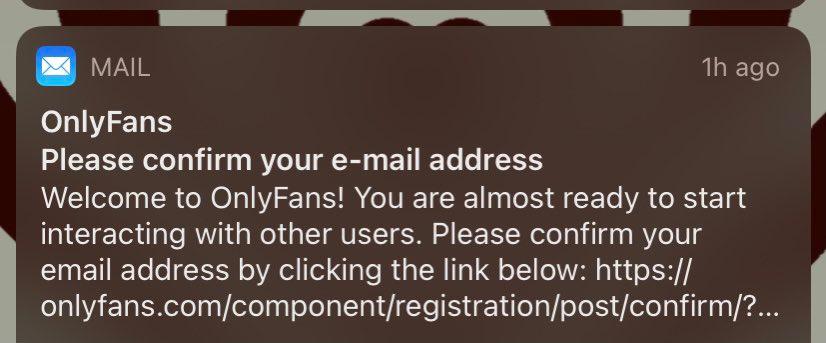
Play Now Does Onlyfans Mail You Anything exclusive online video. Subscription-free on our binge-watching paradise. Explore deep in a sprawling library of media exhibited in cinema-grade picture, made for choice watching fanatics. With the latest videos, you’ll always never miss a thing. Encounter Does Onlyfans Mail You Anything recommended streaming in crystal-clear visuals for a completely immersive journey. Become a patron of our viewing community today to get access to members-only choice content with no charges involved, no strings attached. Get frequent new content and experience a plethora of uncommon filmmaker media made for choice media fans. Seize the opportunity for uncommon recordings—get a quick download! Witness the ultimate Does Onlyfans Mail You Anything special maker videos with vibrant detail and staff picks.
See examples of does used in a sentence. He/she/it form of do 2 He/she/it form of do 3 Present simple of do, used with he/she/it Both do and does are present tense forms of the verb do Which is the correct form to use depends on the subject of your sentence In this article, we’ll explain the difference. Does in british english (dʌz ) verb (used with a singular noun or the pronouns he, she, or it) a form of the present tense (indicative mood) of do 1 Does and does are two words that are spelled identically but are pronounced differently and have different meanings, which makes them heteronyms We will examine the definitions of the words does and does, where these words came from, and a few examples of their use in sentences. Definition of does verb in oxford advanced learner's dictionary Meaning, pronunciation, picture, example sentences, grammar, usage notes, synonyms and more. What’s the difference between do vs Do and does are two words that are often used interchangeably, but they have different meanings and uses Understanding the difference between these two words is important in order to use them correctly in sentences. We’ve put together a guide to help you use do, does, and did as action and auxiliary verbs in the simple past and present tenses.Does Onlyfans Mail You Anything Private Content Updates #947